

Understanding the psychological strategies that influence gambling behavior
The Role of Cognitive Biases in Gambling
Cognitive biases play a significant role in shaping gambling behavior. Individuals often fall prey to the illusion of control, believing they can influence outcomes through their actions. This mindset leads many gamblers to overestimate their abilities and underestimate the randomness of the games they play. For instance, a player might believe that a series of losses means a win is due, a thought process known as the gambler’s fallacy. Interestingly, some enthusiasts explore online casinos to further indulge in this mindset.
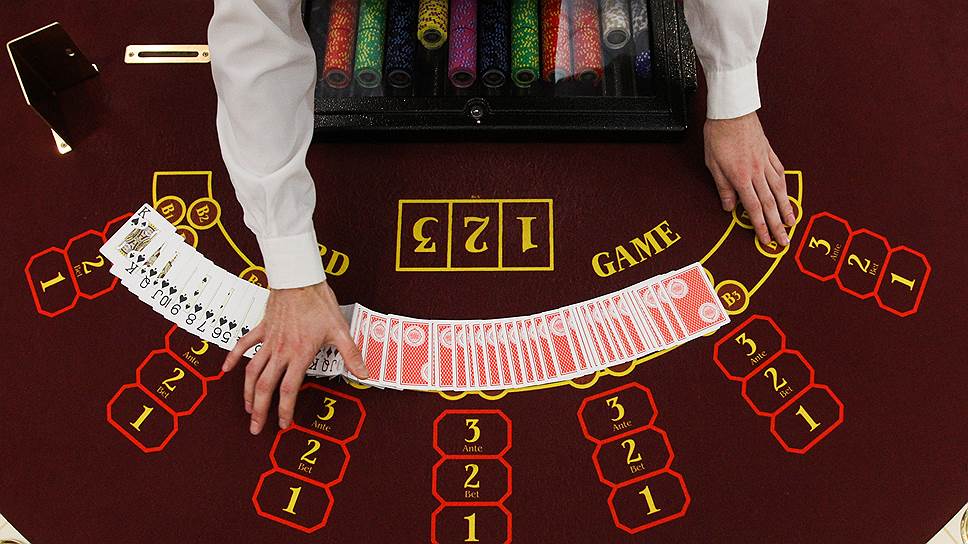
Additionally, confirmation bias can further entrench gambling habits. Gamblers may focus on wins while disregarding losses, leading to a distorted perception of their success. This biased thinking not only reinforces continued gambling but also makes it difficult for individuals to recognize when they should stop playing.
The Impact of Emotions on Gambling Decisions
Emotions significantly influence gambling behavior, as players often gamble to escape negative feelings or enhance positive ones. During moments of stress or sadness, individuals might seek the thrill of gambling to cope, believing it offers a temporary relief from their emotional state. This emotional escape can lead to impulsive gambling decisions that aren’t based on rational analysis.
Conversely, when players experience a winning streak, emotions like excitement and euphoria can cloud their judgment, driving them to take higher risks. This emotional rollercoaster can create a vicious cycle where players continually chase the high associated with wins, further entrenching their gambling habits.
The Social Influence on Gambling Behavior
Social dynamics greatly impact gambling behavior, with peer pressure and social validation playing pivotal roles. Many individuals gamble to fit in or gain approval from friends, especially in social settings like casinos or online gaming platforms. This can lead to increased gambling as individuals seek to maintain their social status or bond with others. Notably, celebrity gamblers can also influence public perception of gambling.
When high-profile figures publicly endorse or participate in gambling, it can normalize and glamorize the activity, encouraging their fans to adopt similar behaviors. This social influence often blurs the lines between responsible gambling and compulsive behavior.
The Mechanics of Reward Systems in Gambling
The psychological mechanics of gambling are heavily rooted in reward systems. Games are designed to create a sense of anticipation and excitement, often providing immediate feedback in the form of wins or losses. This instant gratification can trigger the brain’s reward pathways, making players crave the experience and leading them to continue gambling in hopes of replicating the high associated with wins.
Additionally, variable reward schedules, where wins occur unpredictably, enhance this craving. This unpredictability keeps players engaged, as they are motivated by the possibility of a win rather than just the outcomes. This strategy effectively hooks players, making it challenging for them to step away from gambling once they start.
Enhancing Safety and Security in Online Gambling
As online gambling continues to rise in popularity, ensuring safety and security becomes paramount. Many websites are implementing advanced security measures to protect users from potential threats. By prioritizing user safety, these platforms not only enhance the gambling experience but also build trust among their players.
Moreover, many sites are educating users about responsible gambling practices. Providing resources and support can empower individuals to make informed decisions and recognize when gambling becomes a problem. Creating a safe environment is essential for maintaining a healthy relationship with gambling.