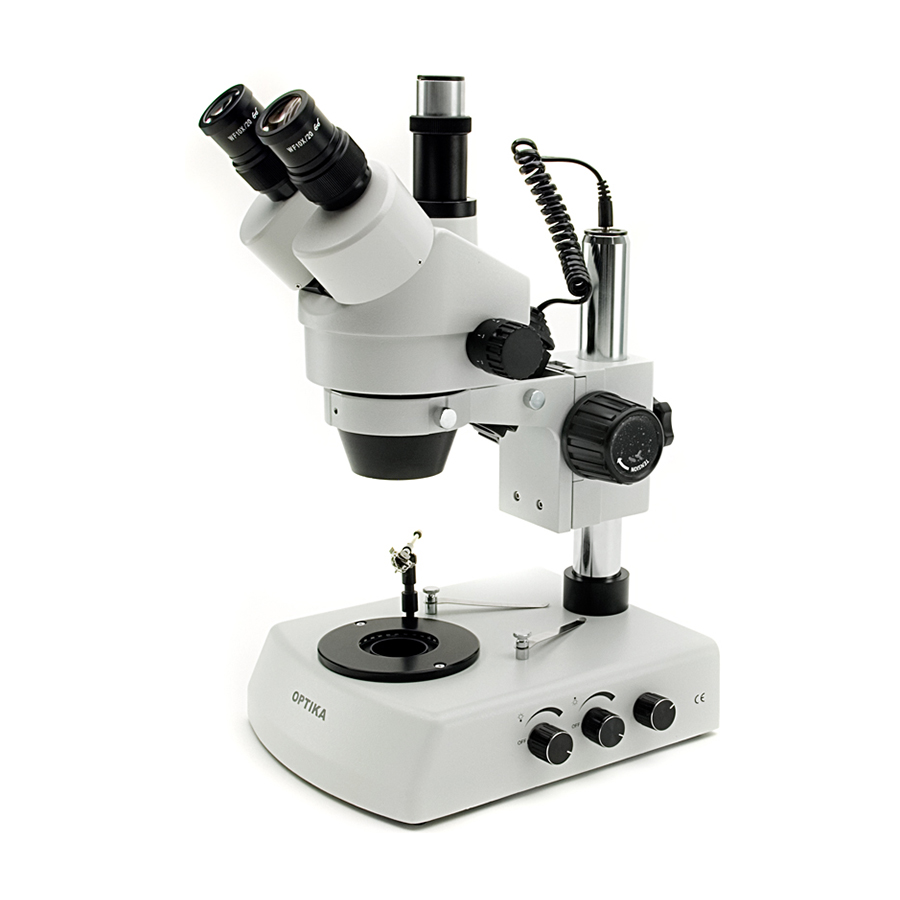
Spectroscopy
Understanding Spectroscopy: The Key to Modern Scientific Analysis
What is Spectroscopy?
Spectroscopy is the study of the interaction between light and matter. It involves the measurement of electromagnetic radiation absorbed, emitted, or scattered by materials. This technique is widely used in various scientific disciplines to analyze the composition and structure of substances at the molecular level.
Types of Spectroscopy
There are several types of spectroscopy, each focusing on different aspects of light-matter interaction:
- Infrared (IR) Spectroscopy: Measures molecular vibrations and is often used in organic chemistry to identify functional groups.
- Ultraviolet-Visible (UV-Vis) Spectroscopy: Utilized to determine the concentration of compounds in solution.
- Nuclear Magnetic Resonance (NMR) Spectroscopy: Analyzes the magnetic properties of atomic nuclei to provide detailed information about molecular structure.
- Mass Spectrometry (MS): Measures the mass-to-charge ratio of ions to identify and quantify molecules.
Applications of Spectroscopy
- Pharmaceutical Industry: Spectroscopy is used for drug formulation and quality control.
- Environmental Monitoring: Helps in detecting pollutants and assessing air and water quality.
- Healthcare: Enables non-invasive diagnosis through techniques like MRI (Magnetic Resonance Imaging) based on NMR spectroscopy.
- Food and Agriculture: Assists in determining the composition and authenticity of food products.
Why is Spectroscopy Important?
Spectroscopy provides a non-destructive and precise method for analyzing materials at the atomic and molecular levels. It is crucial in scientific research, product development, and environmental monitoring. With advancements in technology, spectroscopy has become faster, more accurate, and more accessible to various industries.
Africa Automation Analytical aims to meet the SABS ISO 9001standard. We are in the process of applying for this certification and aim to operate within these quality standard parameters.
Africa Automation Analytical is a Level 1 BEE-certified company. Proudly South Africa. Africa Automation Analytical Pty Ltd is a Proudly South African Company
BEE certificate is available on request.